
Technology Trends 2026: 10 Trends That Will Shape Everyday Life
Every year brings new gadgets and new buzzwords, but only some of them actually change how we live, work and relax. So what are the technology trends in 2026 that are worth your attention?
This guide looks at ten trends already shaping everyday life — some easy to see, like smarter phones, others quieter, like greener technology in the background. Treat it as an informed look at where things are heading, not a promise of exact products or dates.
1. AI Assistants Become Truly Helpful
Artificial intelligence is no longer just a chatbot on a website. In 2026, AI assistants are moving deeper into the apps and devices we already use. They help draft emails, summarise long documents, plan trips and tidy up photos — often in a few seconds.
The biggest change is that these assistants are becoming more personal. They can remember your preferences, understand longer conversations and work across several apps at once. The key trend to watch is simple: AI doing small, boring tasks for you, so you get time back for the things that matter.
2. Smarter Phones That Do More on the Device
Phones keep getting faster, but the real story in 2026 is what happens inside the phone itself. More AI tasks now run directly on the device instead of in the cloud. That means faster answers, better privacy and features that work even without an internet connection.
Expect smarter cameras, more natural live translation, and battery tools that learn your routine and save power. Foldable screens and lighter designs are also likely to keep growing.
3. Wearables and Health Tech Get Smarter
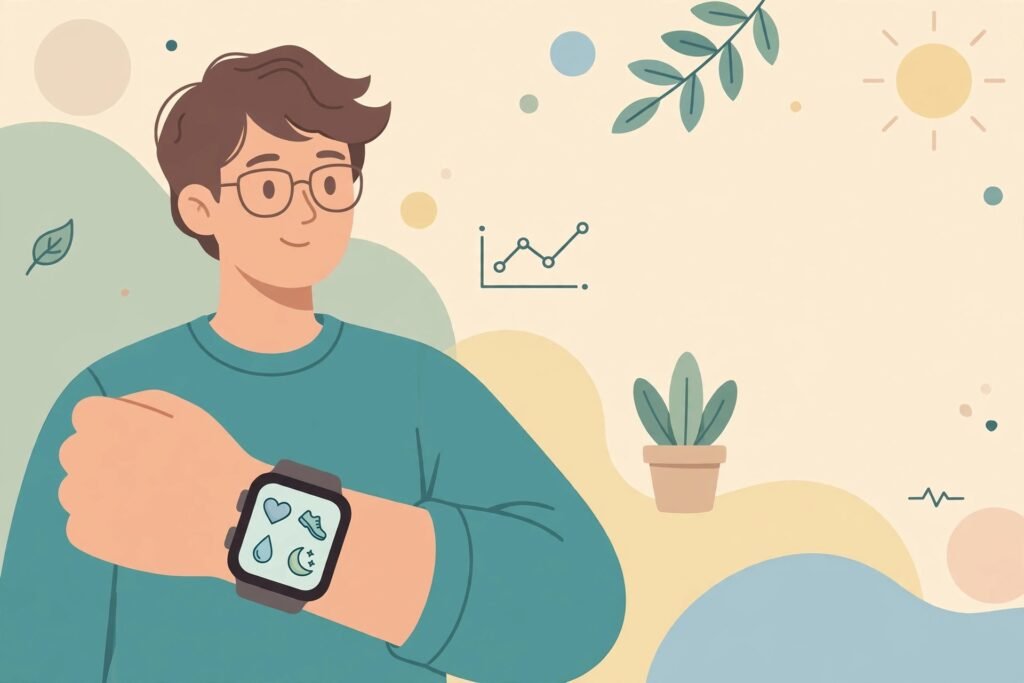
Smartwatches and fitness bands started as step counters. Now they are becoming everyday health companions. Many wearables track sleep quality, heart patterns, stress levels and exercise recovery in ways that are easier for ordinary people to understand.
The trend to watch is health tech moving from “nice to know” to genuinely useful reminders — like a gentle nudge to move or rest. A watch is not a medical professional, but for building healthier habits, wearables are more helpful than ever.
4. Smart Homes That Finally Work Together
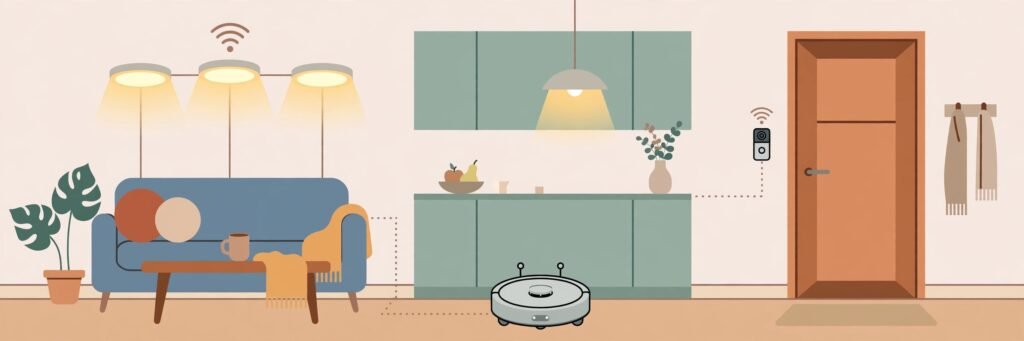
For years, smart home gadgets from different brands did not always get along. That is slowly changing. New shared standards are making it easier for smart lights, plugs, doorbells and speakers from different companies to work in one simple setup.
In 2026, the smart home trend is less about showing off and more about comfort: lights that adjust to the time of day, heating that saves energy while you are out, and security cameras you can check from anywhere. Starting small — with one or two devices — is still the smartest approach.
5. Faster Connectivity Everywhere
Faster mobile networks and newer Wi-Fi technology continue to spread, and the difference is easy to feel: quicker downloads, smoother video calls and games with less delay. As coverage grows, working, studying and streaming from almost anywhere becomes normal.
Another quiet trend is satellite connectivity reaching ordinary phones for emergency messages where there is no signal — a welcome safety net.
6. Electric and Green Tech Goes Mainstream
Technology in 2026 is not just faster — it is cleaner. Electric vehicles are becoming a common sight, home solar and battery systems are more affordable than they used to be, and more companies are designing products that last longer and are easier to repair.
For everyday buyers, the practical trend is choice. There are more second-hand and refurbished gadgets on the market, energy labels are clearer, and simple habits — like keeping a phone for an extra year — save both money and resources.
7. Remote Work Tools Keep Improving
Working from home, at least part of the week, is here to stay for many people. The tools behind it keep getting better: clearer video calls, automatic meeting notes, shared documents that update in real time and virtual whiteboards for teamwork.
AI helps here too, turning long meetings into short summaries and action lists, so remote teams spend less time organising work and more time doing it.
8. Personal Data and Privacy Get More Attention
As our devices collect more information, people are asking better questions about who sees it. In 2026, expect clearer privacy controls, more processing happening on your own device, and stronger rules about how companies can use personal data.
Passkeys — a simpler, safer replacement for passwords — are also becoming more common. They make signing in both easier and harder to hack, which is a rare win for everyone.
9. Entertainment Becomes More Immersive
Gaming, films and live events are experimenting with virtual and augmented reality: virtual screens floating in your room, games that mix the real world with digital characters, and concerts you attend from your sofa.
This trend is still developing, and headsets are not for everyone yet. But the direction is clear: entertainment is becoming more interactive and less tied to one screen in the corner.
10. Technology Gets Easier for Everyone
Perhaps the happiest trend of all: technology is becoming friendlier. Voice controls help people who struggle with small buttons. Phones offer larger text, simpler home screens and hearing support. Good design is finally remembering grandparents as well as teenagers.
At YumPlatter, we believe the best technology is the kind anyone can use with confidence — and in 2026, that idea is winning.
Frequently Asked Questions
What is the biggest technology trend in 2026?
Artificial intelligence built into everyday apps and devices is the biggest trend. Instead of being a separate novelty, AI now quietly helps with writing, photos, planning and searching throughout the day.
Will these trends affect people who are not tech experts?
Yes. Most of these trends — smarter phones, health wearables, faster internet and easier privacy controls — are designed for ordinary users, not specialists. You will meet them simply by using normal devices.
Are technology forecasts always accurate?
No. Forecasts describe the likely direction of travel, not guaranteed events. Products can be delayed and trends can change, so it is best to treat predictions like this article as a helpful guide rather than a promise.
How can I keep up with new technology without feeling overwhelmed?
Start with one area that matters to you, such as your phone or your home Wi-Fi, and learn a little at a time. Simple, jargon-free guides — like the ones we publish here — make it much easier.
Is smart home technology expensive to start with?
Not necessarily. A single smart plug, bulb or speaker is an affordable way to begin. You can add more devices slowly, once you know what you actually enjoy using.
Conclusion
The technology trends of 2026 point in one direction: devices and apps that are smarter, faster, greener and kinder to use. AI assistants save time, wearables support healthier habits, smart homes are finally working together, and connectivity keeps improving almost everywhere.
You do not need to buy every new gadget to benefit. Pick the trends that fit your life, learn them at your own pace, and let YumPlatter keep you posted with simple, honest guides all year long.