
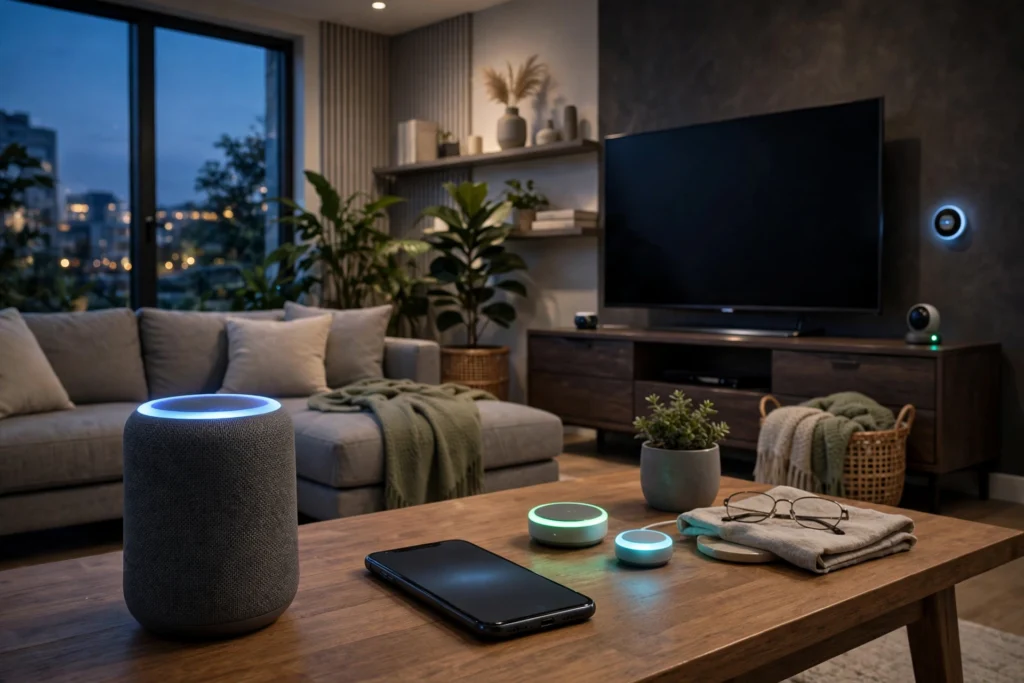

Every time you ask a voice assistant a question, unlock your phone with your face, or watch a security camera flag a stranger at your door, a computer somewhere makes a decision in a fraction of a second. For years, that decision was made in a distant data centre, hundreds or thousands of kilometres away. Edge computing moves the decision closer to you, onto the device itself or a small server nearby, and that short distance changes everything about speed and reliability.
The idea is simple: instead of sending all your data to the cloud and waiting for an answer, do the work where the data is created. Your phone, your car, a factory machine or a shop camera can process information on the spot and only send the important results back to the cloud. That is edge computing, and it is already running quietly in more places than most people realise.
This guide explains edge computing in plain English: how it works, how it differs from cloud computing, where you already use it, and what its limits are.
What Edge Computing Actually Is
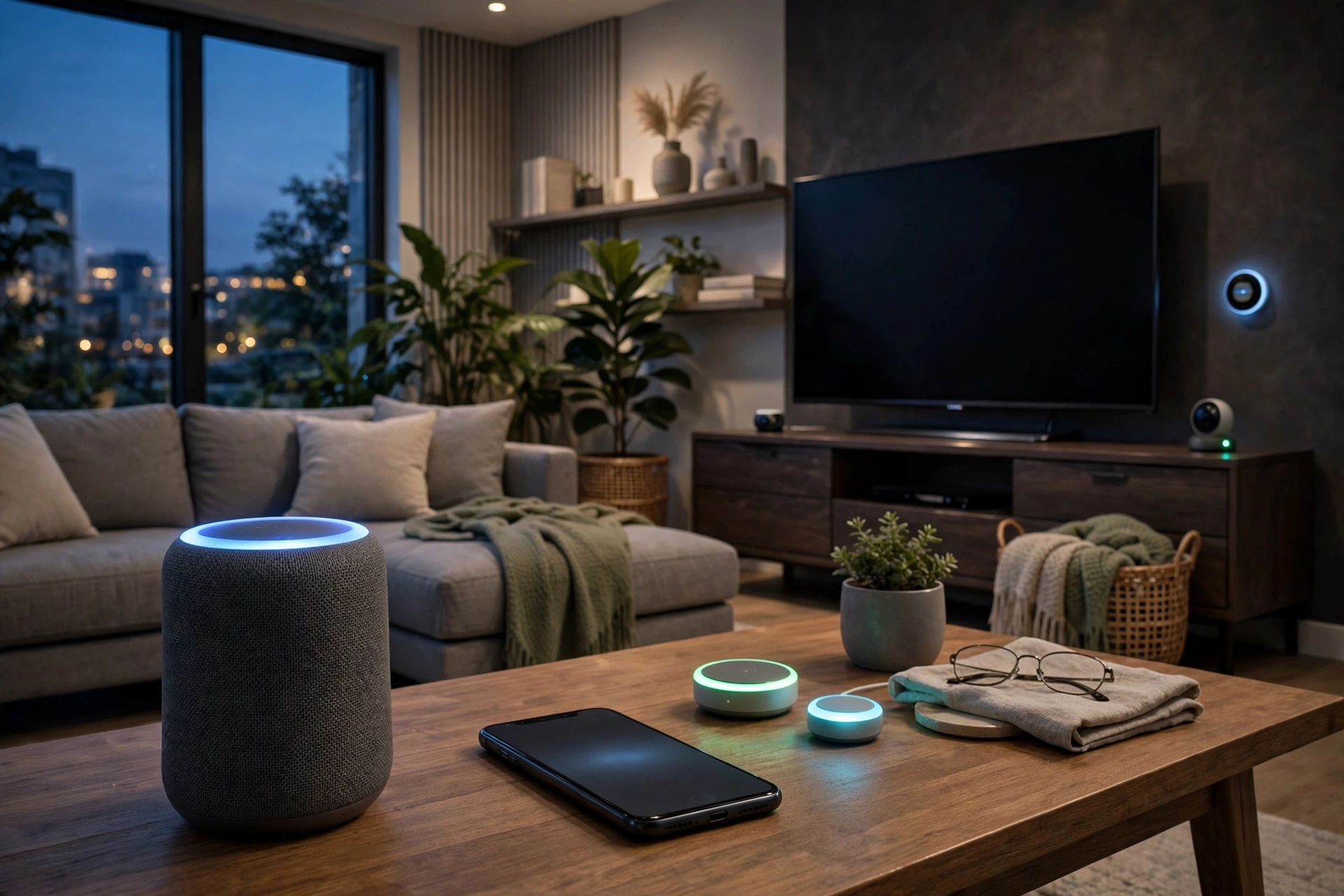
Edge computing means processing data near the “edge” of the network, close to where it is created, instead of in a central cloud data centre. The edge can be your phone, a smart camera, a router, a car, or a small server in a shop or factory. Anything that computes close to the source counts.
The term became popular in the mid-2010s, as the number of connected devices exploded. By 2026, there are tens of billions of connected devices in the world, from doorbells to factory sensors, and they generate far more data than networks can sensibly ship to the cloud. Sending everything to a distant server wastes bandwidth, adds delay and creates privacy risks. Processing at the edge solves all three problems at once.
A good way to think about it is a restaurant kitchen. A central cloud is like one giant kitchen in another city that cooks every meal for every restaurant in the country. It works, but the food arrives cold and late. Edge computing is like giving each restaurant its own small kitchen: most meals are cooked on the spot, and only the recipes and the accounts go back to head office. Both kitchens exist, and each does what it is best at.
How It Works
A typical edge setup has three layers. At the bottom are the devices themselves: phones, cameras, sensors, machines. These collect data and, increasingly, do some processing on their own. A modern phone chip can recognise faces, translate speech and blur a photo background without ever touching the internet.
The middle layer is the edge server, sometimes called a fog node. This is a small computer placed nearby, perhaps in a shop, a factory floor, a hospital or a mobile network tower. It handles heavier work that the device cannot do alone, like analysing video from a dozen cameras at once, and it answers in milliseconds because it is physically close.
The top layer is the cloud, the big data centre that stores everything long-term, trains the AI models, and handles the heavy analysis that does not need an instant answer. Data flows up and down between the layers: the edge handles the urgent work, and the cloud handles the big picture. This division of labour is what makes the whole system fast and efficient.
Edge vs Cloud: The Real Differences
Cloud computing is about centralisation: huge data centres with enormous power, rented by the hour, reachable from anywhere. Edge computing is about distribution: small amounts of computing spread out to where the data lives. They are not rivals. Nearly every real system uses both, and the skill is knowing which job belongs where.
Speed is the clearest difference. A round trip to a cloud server typically takes 50 to 100 milliseconds, and often more on a mobile connection. An edge server a few hundred metres away can answer in under 10 milliseconds. For a video call, that gap is barely noticeable. For a self-driving car deciding whether to brake, it is the difference between stopping in time and not.
Bandwidth is the second difference. A single security camera streaming HD video to the cloud uses a lot of internet capacity, and a shop with twenty cameras can saturate its connection. An edge device can watch the video locally and only send an alert, a short clip or a summary, cutting the data sent by 90 percent or more.
Privacy is the third. When data is processed on your device, it never has to leave your home. Face unlock, on-device voice typing and photo sorting all work this way, which is why your phone can recognise you with the internet switched off. That matters more every year, as people ask harder questions about where their data goes. For a deeper look at cloud basics, see Cloud Computing for Beginners (What It Is and How It Works).
| Feature | Cloud Computing | Edge Computing |
|---|---|---|
| Where work happens | Distant data centre | On or near the device |
| Typical delay | 50–100 ms | Under 10 ms |
| Best for | Big analysis, storage, training AI | Instant decisions, live video, sensors |
| Works offline? | No | Often yes |
| Privacy | Data leaves your device | Data can stay local |
Where You Already Use It
Your phone is the edge device you use most. Face unlock, fingerprint scanning, live photo captions, on-device dictation and the blur in portrait mode all run on your phone’s own chip. Apple calls its chip the Neural Engine, Google calls its version the Tensor chip, and both exist so your phone can do AI work without sending your face or voice to a server.
Smart home devices are next. A video doorbell that tells you a person is at the door, rather than just motion, is doing edge AI on the camera itself. Smart speakers wake up to their wake word locally, and only start streaming to the cloud after they hear it. If you are setting up a connected home, our Smart Home Technology for Beginners (What It Is and Where to Start) explains the pieces and how they fit together.
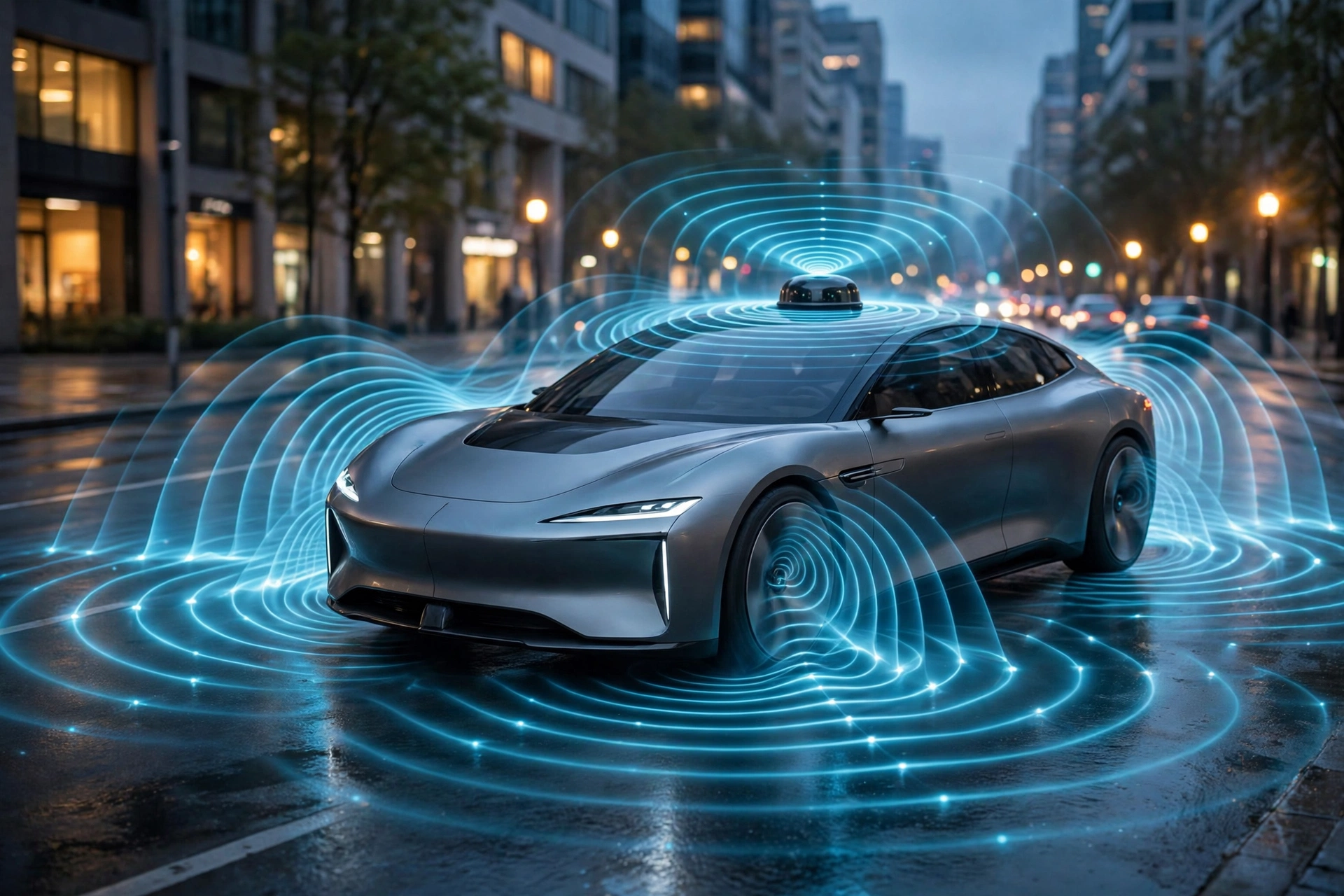
Your car is a rolling edge computer. Modern cars carry dozens of sensors and cameras, and the driver-assistance systems that brake for pedestrians or keep you in your lane cannot wait for a cloud server to answer. That processing happens in the car, in real time, which is why a car can react even in a tunnel with no signal at all.
Streaming and gaming use the edge too. Content delivery networks place copies of popular videos and game data on servers close to you, so a film starts instantly instead of buffering from a server on another continent. Cloud gaming services use edge servers to keep the delay between your controller and the game as low as possible.
Edge Computing in Industry
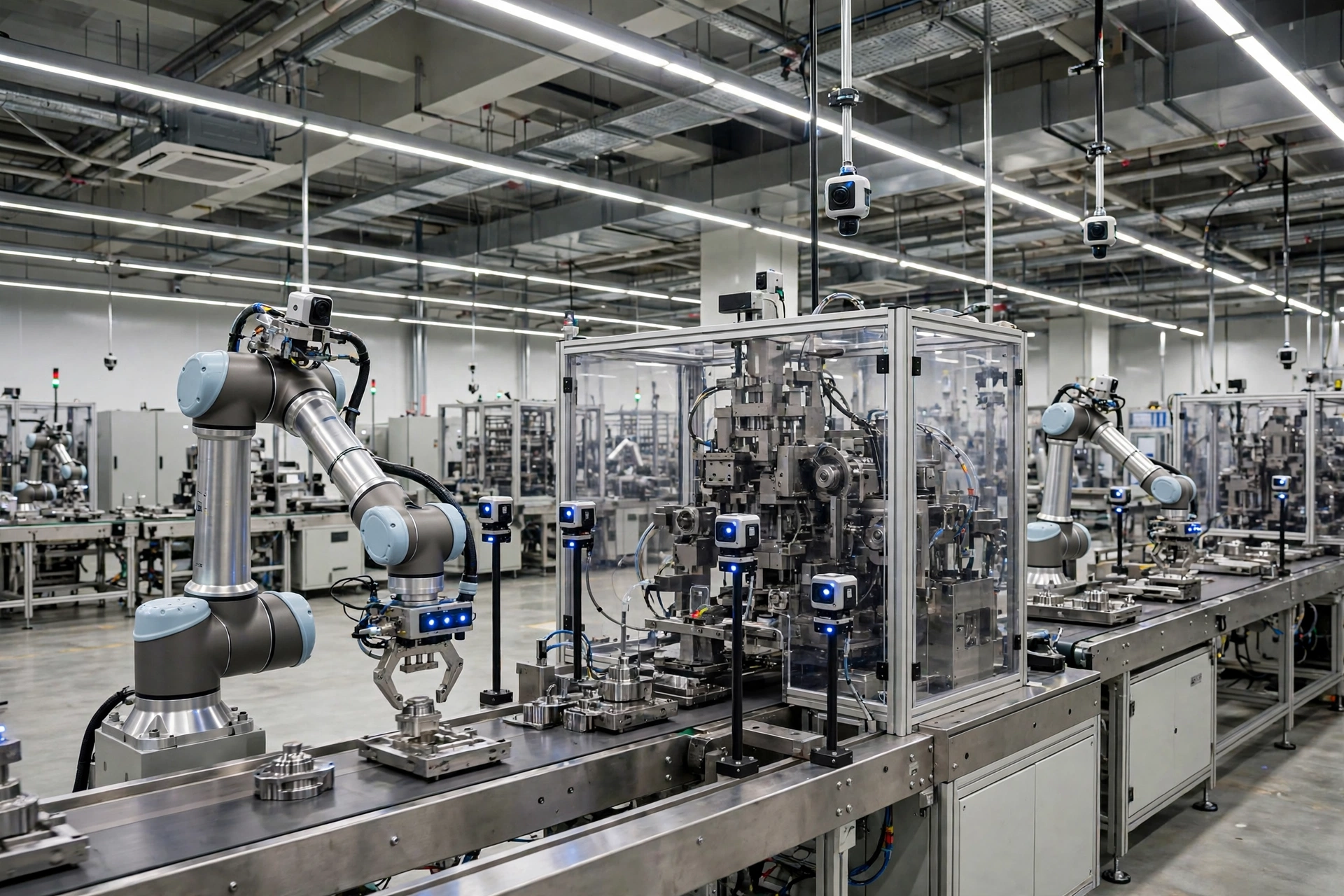
Factories were among the first serious users of edge computing. A production line with hundreds of sensors generates huge amounts of data, and a vibration sensor on a machine can warn of a breakdown hours before it happens, but only if the data is analysed instantly. Edge servers on the factory floor do that analysis and alert engineers while there is still time to act.
Healthcare uses it too. A hospital monitor that watches a patient’s heart rate cannot afford a network delay or an internet outage. Edge processing keeps the monitoring local and reliable, and only sends summaries to the central system. Wearable devices take the same idea further, flagging irregular heartbeats from a watch without needing a constant connection.
Retail is a quieter example. Shops use edge cameras to count visitors, watch shelves and spot empty stock, and they use edge servers to run checkout systems that keep working when the internet drops. A till that stops working during an outage costs real money, so keeping the essential work local is worth a lot.
Farms, oil rigs and ships use edge computing because they often have no reliable connection at all. Sensors on a farm can measure soil moisture and decide when to water, all without phoning home. A drone inspecting a pipeline can analyse its own footage and report only the problems it finds.
Energy grids are another growing use. Wind turbines and solar panels produce power unevenly, and the grid has to balance supply and demand second by second. Edge controllers at substations and wind farms make those small adjustments locally, reacting to changes in milliseconds, while the central system plans the bigger picture. As more homes add solar panels and electric cars, that local balancing act becomes more important every year.
Edge AI: Intelligence at the Edge
The fastest-growing part of edge computing is edge AI, which means running artificial intelligence models directly on devices instead of in the cloud. Your phone does it when it recognises your face, your camera does it when it spots a person, and your earbuds do it when they cancel noise in real time. The models are smaller and more efficient than the giant ones in data centres, but they are good enough for the job, and they answer instantly.
Edge AI matters because it solves the three problems that hold cloud AI back: delay, bandwidth and privacy. A voice assistant that processes your words on the device answers faster and never sends your voice to a server. A factory camera that spots a defect locally does not need to stream hours of video to the cloud. A medical device that watches a heartbeat can keep working in a dead zone with no signal at all.
The trade-off is that edge models are smaller and less capable than cloud models. A phone cannot run the largest language models, and a camera cannot do the kind of deep analysis a data centre can. The pattern that works is a split: the edge handles the quick, routine decisions, and the cloud handles the hard questions. When you ask your phone a simple question, the edge answers. When you ask something complex, the phone sends it to the cloud. That split is already how most voice assistants work, and it is how the next generation of AI devices will work too.
The Downsides
Edge computing is not free or simple. The first problem is management: instead of one big data centre to look after, you have thousands of small devices spread across shops, factories and streets, each needing updates, security patches and monitoring. Keeping all of that healthy is a real operational headache, and it is one reason edge projects cost more to run than people expect.
Security is a mixed picture. Keeping data local reduces the risk of it being intercepted in transit, but a device sitting in a shop or on a street is physically easier to steal or tamper with than a server in a guarded data centre. Edge devices need strong encryption, secure boot and remote wipe features, and many cheap devices ship with none of those.
Power and space are limits too. An edge server in a factory or a phone mast has far less power and cooling than a data centre, so it cannot run the biggest AI models or store huge amounts of data. Engineers have to shrink and optimise their software to fit, which takes time and skill.
Finally, edge computing adds complexity to software. Developers have to decide what runs where, handle devices that go offline, and keep the edge and the cloud in sync. For a small app or a simple website, that complexity is not worth it, and the cloud alone is the right answer.
Edge Computing and 5G
Edge computing and 5G are often mentioned together, because they solve each other’s problems. 5G gives mobile devices fast, low-delay connections, and edge servers placed at the base of 5G towers give those devices somewhere close to send their work. Together, they make real-time mobile applications possible: remote-controlled machines, augmented reality on the move, and connected vehicles that talk to the road.
Carriers call this combination multi-access edge computing, or MEC. A simple example is a stadium: an edge server at the stadium can run instant replays and AR features for fans in the seats, with almost no delay, because the data never leaves the building. Without the edge server, every request would travel to a distant data centre and back.
The same idea applies to smart cities. Traffic cameras and sensors at junctions can adjust traffic lights in real time, using edge servers in the neighbourhood, instead of waiting for a central system. The result is smoother traffic and faster responses to accidents, all built on the same pattern: decide locally, report globally. To see where this fits in the bigger picture, read our Technology Trends 2026 (10 Trends That Will Shape Everyday Life) guide.
FAQ
Is edge computing the same as cloud computing?
No. Cloud computing processes data in central data centres, while edge computing processes it close to where the data is created, on the device or a nearby server. Most real systems use both: the edge handles urgent work, and the cloud handles storage and big analysis.
Does edge computing work without the internet?
Often, yes. Many edge devices keep working offline, because the processing happens locally. A security camera can still detect a person, and a car can still brake for a pedestrian, with no connection at all. They sync their results to the cloud once the connection returns.
What is an example of edge computing in everyday life?
Face unlock on your phone is the best example. Your phone recognises your face using its own chip, without sending your photo to a server. Smart doorbells, voice assistants and car safety systems all use edge computing in the same way.
Is edge computing more secure than the cloud?
It depends. Keeping data on your device reduces the risk of it being intercepted online, which is a real benefit. But edge devices can be physically stolen or tampered with, and many cheap devices have weak security. Good edge security needs encryption, regular updates and strong passwords.
Will edge computing replace the cloud?
No. The cloud is still needed for long-term storage, training AI models and heavy analysis. Edge computing handles the fast, local decisions, and the cloud handles the big picture. The two work together, and that partnership is the point.
Conclusion
Edge computing is the simple idea of doing computer work close to where the data is created, instead of sending everything to a distant data centre. It makes devices faster, keeps them working offline, saves bandwidth and keeps sensitive data on your own hardware. You already use it every day in your phone’s face unlock, your doorbell camera and your car’s safety systems, and factories, hospitals and shops rely on it for work the cloud cannot do quickly enough. It is not a replacement for the cloud, and it brings real challenges in management and security. But as devices keep multiplying and the demand for instant answers keeps growing, the edge is where more and more computing will happen. The next time a device answers instantly — a light that switches on the moment you speak, a camera that flags a visitor before you reach the door — that is the edge doing its quiet work in the background, and it will only get better from here.